Subscribe to The Dish
As far as I’m concerned, the essential daily dilemma is what to eat for dinner. It’s actually comforting to think that the nation is united by this very question. At some point in the day we need to buck up and face the issue. As with many decisions, the critical factor to consider is repetition. To clarify:
- We can’t get her a sweater, we did that last year.
- We can’t paint the house green, the guy across the street has a green house.
- I simply can’t watch Toy Story again.
- I can’t dress the kid up as a pirate, we did that last year.
- I can’t have chicken for dinner again, I ate chicken all last week
(I used to know someone who didn’t eat too much simply because he had eaten recently, but he was kind of an odd guy.)
To have the same thing two nights in a row is, to me, unacceptable. If you hired the guys from Freakonomics to do a regression chart on evening habits, probably you’d find that most people are on a rotation: Mon. Chinese, Tues. pasta, Wed. chicken, Th. meat, Fri. whatever, and so on back to Monday. Which is why most cookbooks are organized by main ingredient: fish, pasta, meat, etc.
Now, chicken on consecutive nights is fine, though it would have to be in a different guise, i.e. roast chicken Tues. followed by General Tso’s chicken on Wed. While the contrast between these dishes may be obvious, as with most food, it’s not so simple. A chicken is not a chicken is not a chicken.
I’d argue texture is the name of the game. Roast chicken done right is a delicious, homey bird, crispy and salty on the outside, moist on the inside, a surprisingly complex combination of firm, shreddable breast meat descending gracefully to the unctuous, full-flavored thigh, and finally what I call the chicken “finger good”, crispy drumsticks. Retrace your journey to the top of the bird and snap off the extraordinary, crisp wings, a mere delivery system for chicken skin.
General Tso’s is not so fancy, though quite delicious as only fried stuff can be: crackly chicken nuggets glazed with a sticky orange sauce and, if done as I enjoy it, surrounded with a few dried peppers.
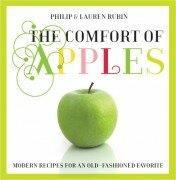
Roasted vs. fried, texture is the name of the game. The same applies for, say, apples. For our apple cookbook, The Comfort of Apples, we tasted over 100 varieties, and, we found that while apples vary in flavor, they are set apart most by texture: thin exterior, tough interior; starchy interior; fine grained flesh; bright, crisp skin, etc.
So too the sandwich. The most interesting sandwich places are the ones which offer multi-textured items. A flaccid roll bisected by equally flaccid Boar’s Head turkey (a product I enjoy) should be countered with something on a crusty baguette.
Vegetarian cooking, though hardly my specialty, is, I imagine, the supreme case of textural supremacy. Aside from salads, my one instance with deliberately consumed vegetarian food is the veggie burger at Lucky Strike. I order it only when I feel my system has been unhealthily glutted with meat, and while it rolls around in the mouth like a patty of molded glue, the accompanying excellent fries are quite delightful, as is the fountain of ketchup I apply to the bun.
As with a lot of vegetarian options, veggie burgers consist of something bound by something sturdy and starchy, the idea being to replicate the texture of what the rest of the modern world eats i.e. meat. An oft-heard complaint of vegetarians is that chefs don’t put much thought into the “vegetarian option”. The kitchen resorts to the classic vegetarian fall back of nature’s meat-like food namely Portobello mushrooms and eggplant. The grilled Portobello tastes smoky and offers a pleasing resistance to the choppers, as does the grilled eggplant, though I favor that option, which is more interesting. Yet this effort is a cop out. Meat is meat. Veggies are veggies. Respect the veggies rather than twist them into a meat-like product.
The banh mi, one of our favorite sandwiches, depends on and is defined by meat. The beef or pork is delectably charred and juicy with its brown sugar/soy marinade. The pickled vegetables are nice, but only because they offer a bright counterpoint to the rich protein.
Hence, to construct a vegetarian banh mi is no small feat. As with the veggie burger, you desperately want to shun textural meat replication. Happily, the website Battle of the Banh Mi saved us an afternoon of experimentation. Sauteed firm tofu-while an oft-used vegetarian substitute-feels and tastes of itself. Within its crisp exterior lies a unique, tofuey feel. Besides which, it absorbs beautifully a subtle lemongrass marinade. Slap it between bread with the traditional banh mi condiments and you have a banh mi that’s not a banh mi, and that’s the beauty of this dish, it obeys the essence of good cooking: texture first, all else follows.
Tofu Banh Mi
(Taken From http://battleofthebanhmi.com)
1 pkg of firm tofu.
1/2 cup peanut or vegetable oil
2 cloves garlic
5 table spoons soy sauce
2 teaspoons salt
2 teaspoons fresh ground black pepper
1 teaspoon sesame oil
1 -2 stalks of fresh lemongrass. When chopped should be about 1/4 cup.
- To remove excess moisture, drain tofu and pat dry. Slice into about 1/4 ” pieces.
- Wash lemongrass and chop bulbs and remaining of stalk that is tender. Place chopped lemongrass in mortar & pestle and continue to crush pieces till they are small and pulverized. Add 2 cloves of garlic in mortar and crush garlic together with lemongrass.
- In large plastic freezer bag, combine crushed lemongrass, garlic, vegetable oil, soy sauce, salt, pepper and sesame oil. Mix the marinade well, then add slices of tofu in bag. Lay tofu slices in gently on top of each other so that they don’t break. Make sure all marinate coats each slice of tofu.
- Let marinade for at least 1 hour or until all tofu slices soak up the marinade.
- Do not add oil to the pan because the tofu is well oiled. Fry slices of tofu until both sides are golden brown with a nice firm crust.
- Let cool and assemble banh mi.
Use your choice of Banh Mi condiments from the Condiment List:
Condiment List:
- Paté -Chicken or Duck Liver Paté. (okay, forget this one.)
- Homemade Mayo- Sometimes made from an egg yolk & vegetable oil combination, or other shops will even have a store bought mayo or miracle whip. Most shops will have some type of rich, white spread.
- Fresh herbs. In the U.S., we usually see fresh cilantro sprigs. However other herbs were popular in different regions of Vietnam.
- Daikon and pickled carrots. Usually finely shredded or julienned, these sour, vinegared accompaniments provide the salty, sour layer of flavor.
- Jalapeño slices or other Chilies. Warning for the lighthearted: Pepper spice potency level will vary heavily. Nibble on a slice from your sandwich first before you bite The jalapeño slice that tasted like a mild cucumber last week, just might pop back and kick you in the ass this time.
- Cucumber Slices.
- Light Sprinkle of Soy Sauce.